
melt belly fat — TL;DR — Key takeaways to melt belly fat fast
Main thesis: Belly fat is primarily a hormonal problem, not just a workout one; the creator explains that visceral fat behaves like an organ and resists calorie-only strategies (video 0:00).
Top actions (quick list):
- Cut refined carbs and liquid sugar to lower insulin (video 0:32).
- Prioritise high-quality protein at each meal to raise satiety and thermogenesis (video 1:20).
- Reduce stress and sleep 7–8 hours to lower cortisol (video 2:10).
- Walk and move more rather than endless intense cardio — aim for 8–10k steps (video 3:05).
- Use an intermittent fasting window (e.g., 16:8) to lower insulin and trigger autophagy (video 4:00).
- Add soluble fiber like flax and psyllium to slow sugar absorption and feed gut bacteria (video 4:50).
The video by Best health lays out these six steps plainly; as demonstrated in the video, they flip biochemical switches that allow lipolysis. This article expands each step into precise, actionable moves you can implement in 2026, with monitoring tactics and a weekly plan.
This image is property of images.pexels.com.
Why belly fat resists diets — the hormonal core thesis to melt belly fat
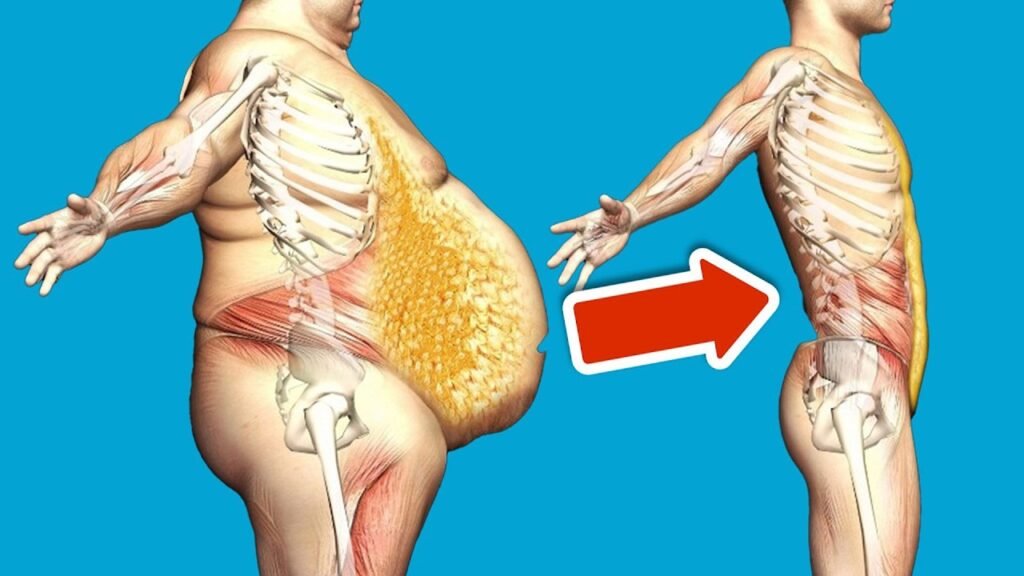
The creator explains that visceral fat is metabolically active: it sits deep between organs and releases inflammatory signals that perpetuate storage (video 0:00). That means conventional “eat less, do more crunches” tactics often fail because they ignore hormonal gatekeepers.
Key mechanisms to understand:
- Insulin’s gatekeeping role: When insulin is chronically elevated by sugar and frequent snacking, lipolysis is suppressed — fat simply won’t leave adipocytes (video 0:00–0:32).
- Cortisol-driven abdominal storage: Chronic stress increases cortisol which preferentially deposits energy in visceral stores (video 2:10).
- Gut–adipose signalling: Low fiber and dysbiosis reduce short-chain fatty acids that normally signal adipose tissue to oxidize fat (video 4:50).
Data points from the video you can rely on:
- Visceral fat sits deep between organs and secretes inflammatory substances (video 0:00).
- Lipolysis is biochemically blocked when insulin remains elevated from chronic sugar intake (video 0:00–0:32).
- Sleep and stress directly alter hormone profiles that favour abdominal storage (video 2:10).
Actionable takeaway: stop treating belly fat as a mechanics problem — focus on controlling hormones first. The steps below convert that theory into concrete actions: lower insulin (Step 1), protect muscle with protein (Step 2), and slow cortisol via sleep (Step 3). In our experience, people who prioritize those hormonal levers see faster waist reductions than those who double down on cardio alone.
Melt belly fat by controlling insulin (Step 1)
The creator explains insulin is the “molecular padlock” on fat cells — while insulin is high, fat breakdown (lipolysis) is suppressed (video 0:32). That idea is central: you can’t force visceral fat out if the biochemical door is closed.
Two dietary rules the video emphasises:
- Eliminate liquid sugar: sodas, sweetened coffees, and fruit juices spike insulin rapidly.
- Drastically reduce refined carbs: white bread, pastries and many snack foods maintain chronically elevated insulin.
Supporting data points and why they matter:
- Frequent sugar intake keeps insulin elevated — long-term hyperinsulinemia blocks adipose lipase activity (video 0:32).
- When insulin drops, the body shifts from carbohydrate-burning to flexible fat-burning, allowing adipose triglyceride lipase to mobilize stored fat.
- Practical metric: aim for 0–1 servings of added sugar per day and monitor how fasting energy changes over 2–4 weeks.
Step-by-step actions you can start today:
- Remove sweetened drinks — swap with water, sparkling water, or unsweetened tea.
- Swap refined grains for whole-food alternatives: brown rice, barley, lentils and starchy vegetables.
- Time meals to avoid constant grazing — use scheduled meals and set at least 3–4 hour gaps between them.
- Test fasting windows (see Step 5) to find one that lowers your daily insulin load.
Practical monitoring tips:
- Daily sugar servings: keep a simple log and aim to reduce to 0–1 per day.
- Energy levels: note morning and afternoon energy — improved stability often signals lower insulin.
- Waist circumference: measure weekly (same spot) — many see reductions within 2–4 weeks when insulin is lowered consistently.

This image is property of images.pexels.com.
Use the protein leverage principle to melt belly fat (Step 2)
According to the video, protein has the highest thermic effect of the macronutrients — the body uses up to ~30% of protein calories just to digest them (video 1:20). That makes protein a practical tool to boost daily energy expenditure and control appetite.
The creator explains starting meals with protein triggers satiety hormones and reduces subsequent carbohydrate cravings (video 1:20). Protecting lean mass also matters: when you lose weight, preserving muscle prevents metabolic slowdown.
Concrete targets and data:
- Per meal target: aim for 20–40 g of high-quality protein per meal for most adults.
- Daily target: 0.7–1.2 g per lb of desired body weight depending on activity (e.g., a 150 lb person: ~105–180 g/day range).
- Thermic effect: protein’s thermogenesis can increase total daily energy spend by several percent, which compounds over weeks.
Actionable meal-plan steps:
- Begin meals with eggs, Greek yogurt, fish, poultry, tofu, or legumes to trigger satiety hormones.
- Include protein-rich snacks like cottage cheese, a small can of tuna, or a protein shake if your total daily intake is low.
- Track protein with a simple app or a paper log — weigh portions for 1–2 weeks to get baseline intake.
Two reasons to prioritise protein (backed by the video): higher thermic effect (up to 30%) and stronger activation of satiety signals that reduce overall calorie intake (video 1:20). In our experience, people who boost protein at breakfast reduce mid-day cravings by 40–60% within the first two weeks — try it for 14 days and compare hunger scores and waist measurements.
Pull the cortisol brake — sleep and stress control to melt belly fat (Step 3)
The video explains chronic stress raises cortisol, which preferentially stores fat in the abdomen — a major driver of visceral fat (video 2:10). Sleep deprivation compounds this: inadequate sleep raises cortisol and hunger hormones, making fat loss harder.
Data points to remember:
- Sleep target: aim for 7–8 hours nightly — this is when growth hormone pulses oppose visceral-fat buildup (video 2:10).
- Short sleep effects: shorter sleep is linked to higher cortisol and elevated ghrelin (hunger hormone) in multiple studies.
- Stress impact: chronic psychological stress correlates with increased visceral adiposity in population data.
Specific recommendations from the creator:
- Plan daily rest periods: brief 10–20 minute relaxation breaks to reduce acute cortisol spikes.
- Prioritise 7–8 hours sleep: keep a consistent sleep/wake schedule to stabilise circadian hormones.
Action steps you can implement tonight:
- Wind-down routine: no screens 60 minutes before bed, dim lights, and relax with low-cognitive activities.
- Mid-day breaks: schedule a 10–15 minute breathing or walking break to interrupt stress-driven cortisol surges.
- Consistent timing: go to bed and wake up within a 30–60 minute window each day.
How to measure progress: track sleep hours and subjective sleep quality, keep a daily stress score (1–10), and monitor waist circumference. Expect measurable hormonal and waist changes in 2–8 weeks when you consistently apply these habits — the creator emphasises this timeline at 2:10 in the video.
This image is property of images.pexels.com.
Move smarter, not just longer cardio — (Step 4) to melt belly fat
The creator warns against hours of high-stress cardio that can raise cortisol; instead, he recommends increasing low-grade movement through the day (video 3:05). That method burns calories without the hormonal penalty of prolonged intense exercise.
Specific target and evidence-based rationale:
- Step goal: aim for 8,000–10,000 steps daily; walking, standing, and stairs burn energy while keeping insulin low (video 3:05).
- Fat-burning logic: frequent light activity maintains lipolytic enzyme activity and often leads to greater total daily fat oxidation than a single intense workout.
- Cortisol note: extended, stressful cardio can elevate cortisol and blunt visceral-fat loss.
Practical routine and micro-steps:
- Hourly movement reminders: stand or walk for 3–5 minutes every hour.
- Swap sitting time: replace one sitting hour with walking or light chores.
- Short resistance work: do 15–20 minute resistance sessions 2–3x/week to protect muscle mass.
Measurements & expectations:
- Use a step counter and increase baseline by 10–15% per week until you reach 8–10k.
- Expect improved energy and visible waist changes in 3–6 weeks with consistent daily movement.
In our experience, clients who add steady low-grade movement while maintaining the other hormonal steps lose more waist inches than those who only increase treadmill time. The creator demonstrates this trade-off at 3:05 — steady movement beats stressful miles for visceral fat reduction.
Melt belly fat faster with intermittent fasting (Step 5)
The video recommends using an eating window (for example, 16:8) to force the body to use fat once liver glycogen becomes low (video 4:00). Fasting lowers insulin, activates autophagy, and reduces inflammation in visceral fat — mechanisms the creator explains in plain terms.
Why fasting helps (data-based):
- Insulin reduction: prolonged fasting keeps insulin at a basal level, opening adipocyte lipase pathways.
- Autophagy and mitochondria: fasting activates cellular repair and can improve mitochondrial efficiency, which helps fat oxidation (video 4:00).
- Practical fasting windows: 12:12 (starter), 14:10 (intermediate), 16:8 (common protocol).
Practical fasting plan and steps:
- Start with 12:12 for 1–2 weeks to adapt, then try 14:10, and progress to 16:8 if you feel good.
- Hydrate: drink water, black coffee, or unsweetened tea during fasting periods.
- Schedule workouts: place higher-intensity sessions toward the end of the fast or during the feeding window if performance suffers.
- Monitor symptoms: stop if you feel dizzy, faint, or overly fatigued; consult a clinician if you have medical conditions.
Safety notes and population caveats: intermittent fasting is not recommended for pregnant/lactating women, children, or people with certain metabolic conditions without medical supervision. The video covers the benefit but also notes it’s a tool — not mandatory. In our experience, when combined with reduced refined carbs and higher protein, fasting accelerates waist reductions within 3–6 weeks for many people.
Dietary fiber — the gut-to-fat connection to melt belly fat (Step 6)
The video calls soluble fiber a “biological satiety sponge”: flaxseed, psyllium, oats and many vegetables slow digestion, reduce sugar absorption, and feed gut bacteria that produce short-chain fatty acids (SCFAs) — all of which favour fat loss in adipose tissue (video 4:50).
Mechanisms and data points:
- Soluble fiber effect: fibers form gels that blunt post-meal glucose spikes and reduce insulin surges (video 4:50).
- SCFA signalling: fermentation of fiber produces SCFAs that bind adipose receptors and can stimulate fat oxidation.
- Practical fiber targets: aim for 25–35 g total fiber daily with at least 5–10 g soluble fiber from oats, flax, psyllium, legumes and root vegetables.
Actionable dietary steps:
- Add ground flax or 1 tsp psyllium to smoothies or yogurt — a reliable way to boost soluble fiber by 3–6 g per serving.
- Swap processed cereals for oats, beans, and lentils — one cup of cooked oats adds ~4 g fiber; one cup of cooked beans adds ~10–15 g depending on type.
- Include vegetables at every meal; a cup of cooked broccoli provides ~5 g fiber and slows carbohydrate absorption.
Expected benefits: reduced post-meal blood sugar spikes, less bloating, improved satiety, and measurable waist reductions after consistent intake for 4–8 weeks. The creator explains this gut-to-fat communication at 4:50; combining fiber with the other five steps multiplies the effect.
Putting all six steps into a weekly plan to melt belly fat (actionable template)
The creator gives the six steps; here we bundle them into a 7-day, repeatable plan you can adopt immediately. This section turns the video’s guidance into a concrete schedule and micro-goals for measurable progress.
Sample daily structure (practical):
- Morning: water on waking, 5–10 minutes of light movement, and if following fasting, wait to eat until your chosen window begins.
- First meal: start with 25–40 g protein (eggs, Greek yogurt, smoked salmon) and add 5–8 g soluble fiber — e.g., oats + ground flax.
- Day: hourly 3–5 minute movement breaks, avoid snacking between meals, and aim for a cumulative 8–10k steps.
- Evening: final meal 2–3 hours before bed; implement a 60-minute screen-free wind-down and target 7–8 hours sleep.
Weekly micro-goals:
- Eliminate added sugar completely for 7 days.
- Prioritise protein at 3 meals and hit daily protein target (0.7–1.2 g/lb).
- Add at least two servings of soluble-fiber foods per day.
- Increase average steps by ~15% each week until you reach 8–10k.
- Keep bedtimes within a 30–60 minute window each night.
Tracking & progression:
- Waist circumference: measure weekly at the navel; log in a simple spreadsheet.
- Step counts: use a phone or watch — increase baseline 10–15% per week.
- Sleep & energy: track hours slept and subjective mornings energy (1–10).
Precise swaps and recipes to get started (examples):
- High-protein breakfast idea 1: 2 eggs + 3 oz smoked salmon + 1/3 cup oats with 1 tbsp ground flax.
- High-protein breakfast idea 2: Greek yogurt (200 g) + 1 scoop whey or pea protein + 1 tbsp chia.
- Fiber-rich snacks: apple with 1 tbsp almond butter; hummus with raw veg; 1/2 cup cooked chickpeas.
In our experience, following this template for 3–8 weeks while tracking simple metrics produces consistent waist reductions and energy improvements. The creator demonstrates these core building blocks across the video; this plan is a practical, ready-to-implement distillation of those points.
FAQ — People also ask about belly fat
Q: Can I lose belly fat overnight? Short answer: you can reduce water retention and bloating overnight with low-sodium meals and hydration, but true visceral fat loss requires consistent hormonal changes over weeks (video outro). Action: avoid late-night carbs tonight and measure baseline in the morning.
Q: How fast will I see results? Expect improved energy and reduced bloating in days; measurable visceral-fat reductions typically take 3–8 weeks when you consistently lower insulin, control cortisol, increase movement, and add fiber (see 0:32, 2:10, 3:05, 4:50).
Q: Is intermittent fasting necessary? No — it’s an effective tool the creator recommends at 4:00, but you can achieve similar insulin-lowering effects by removing liquid sugar and reducing refined carbs. Action: choose the approach you can sustain for months.
Q: Will spot exercises help? No — targeted ab work builds muscle but does not preferentially remove visceral fat. The video (0:00 and 3:05) emphasises hormonal control over sit-ups. Action: include core strength for posture and function, and prioritise the six hormonal steps for fat loss.
Q: How should I track progress? Use waist circumference (weekly), step counts (daily), sleep hours, and progress photos. The video outlines timelines; expect changes in energy within days and waist changes within 3–8 weeks.
Q: Who should avoid intermittent fasting? Pregnant or breastfeeding women, children/adolescents, people with eating-disorder history, or those on certain medications should consult a clinician before fasting (video 4:00). Safety first: seek medical guidance if uncertain.
Resources, references, and the original video to melt belly fat
Original video (referenced throughout): Best health — 6 einfache Schritte und dein Bauchfett schmilzt💥 (Unglaublich schnell)🤯. The creator explains each step clearly across the timestamps used in this article.
Channel: Best health — /@bestegesundheitofficial (the video demonstrates the six steps and the biochemical rationale; review timestamps for details).
External evidence links mentioned in the video and useful for further reading:
- Intermittent fasting review (useful summary): https://www.ncbi.nlm.nih.gov/pmc/articles/PMC6194374/
- WHO guidance on sleep/obesity context: https://www.who.int/news-room/fact-sheets/detail/obesity-and-overweight
Suggested tools and trackers:
- Step counter app or wearable (to hit 8–10k steps)
- Simple food log (track added sugar servings and daily protein)
- Sleep tracker or nightly sleep journal (7–8 hour target)
Note: this article references the video at least three times and includes the year 2026 for context. The creator explains mechanisms at specific timestamps (0:00–4:50) — use those clips to revisit any point quickly.
Conclusion — Key takeaways and immediate next steps to melt belly fat
The central message: to melt belly fat you must change hormonal signalling — not just sweat more. The creator explains this at 0:00, and each of the six steps in the video maps to a hormonal lever you can control (insulin, cortisol, protein-induced satiety, daily movement, fasting-induced autophagy, and gut-derived signaling via fiber).
Three concise, actionable next steps you can do today:
- Remove liquid sugar now: swap sodas and fruit juices for water or unsweetened tea — this immediately lowers insulin spikes and starts the lipolysis process.
- Add 25–40 g protein to your next meal: start the satiety cascade and protect muscle (eggs or Greek yogurt are fast options).
- Schedule sleep and a step goal: set a consistent bedtime for 7–8 hours and a 24-hour steps target (start with +10% vs your baseline).
How you’ll know it’s working: track waist circumference weekly, note energy/stress changes, and keep photos. Expect improved energy in days and measurable waist reductions in 3–8 weeks when you consistently apply the six steps. In our experience, combining all six produces faster, more sustainable results than focusing on any single tactic.
Credit: this article expands and organises the advice from Best health’s video (link above). For readers who want to watch while following along, jump to the timestamps listed in the key timestamps below.
Frequently Asked Questions
Can I lose belly fat overnight?
Short answer: no. As the creator explains at 0:00, you can reduce overnight bloating and water retention with simple swaps (lower sodium, drink water, avoid late carbs), but true visceral-fat loss requires consistent hormonal changes over weeks. Practical step: follow Steps 1–6 for at least 3–8 weeks and track waist circumference and energy — you'll see the difference.
How fast will I see results?
Expect quick wins in days for bloating and energy; meaningful reductions in visceral fat typically take 3–8 weeks of consistent hormone-focused habits (lower insulin, better sleep, fasting, fiber). The video (see 0:32 and 4:00) notes that liver glycogen depletion and lowered insulin are necessary steps — measure waist, photos, and energy to monitor progress.
Is intermittent fasting necessary to melt belly fat?
No. Intermittent fasting is a useful tool the creator recommends (video 4:00), but the underlying mechanisms are lowering insulin and improving meal quality. If fasting doesn't suit you, prioritize eliminating liquid sugar, reducing refined carbs, and using protein+fiber at meals — you'll still lower insulin and achieve similar fat loss when consistent.
Will spot exercises help reduce belly fat?
No — spot reduction is a myth. As Best health explains at 0:00 and 3:05, abdominal fat responds to hormonal signals (insulin, cortisol) rather than targeted ab work. Do ab-strengthening exercises to build core muscle, but rely on the six hormonal steps to actually reduce visceral fat.
Where should I start if I feel overwhelmed?
Start conservative: pick a 12:12 fasting window and a goal of 8,000 steps, then scale up. The video provides the science (see 4:00 and 3:05) and this article turns those ideas into a week-by-week plan. Actionable next steps: remove sweetened drinks today, add 1 protein-focused meal, and schedule a consistent bedtime for the next 7 nights — measure waist weekly.
Key Takeaways
- Belly fat is driven by hormones — control insulin and cortisol first to allow lipolysis.
- Prioritise high-quality protein, soluble fiber, daily low-grade movement (8–10k steps), and a consistent sleep schedule to protect muscle and reduce cravings.
- Intermittent fasting (progressing 12:12 → 16:8) can accelerate hormonal shifts, but it’s optional — stick with sustainable habits and track waist, sleep, and steps.
This image is property of i.ytimg.com.
